
4.9

Zoning Systems
Discover the benefits of advanced zoning systems for optimal home comfort and energy efficiency. Schedule an assessment or learn about our financing options today.


Struggling with inconsistent room temperatures where one bedroom freezes while the living room overheats is a common frustration for homeowners in our region. Our advanced zoning systems offer a personalized comfort solution that optimizes energy use and enhances living conditions throughout your property. For immediate relief from uneven heating and cooling, contact us to schedule an assessment or inquire about our flexible financing options.
Backed by full warranties and flexible financing options, our certified installations comply with all local building codes and manufacturer standards.
A modern HVAC zoning system transforms a standard heating and cooling setup into a precision climate control network. Rather than relying on a single thermostat to dictate the temperature for the entire house, zoning divides your home into distinct areas. This allows for specific temperature management based on usage and necessity. In diverse climates ranging from the heat of Lincoln and Auburn to the alpine conditions of Truckee, this level of control is essential for maintaining comfort without skyrocketing energy costs.
When you invest in a zoning system, you receive a sophisticated integration of three main components: a central control panel, electronic dampers installed within your ductwork, and dedicated thermostats for each zone. The control panel acts as the brain of the operation, communicating between the thermostats and your HVAC equipment. The dampers are the muscle, physically opening and closing to direct airflow exactly where it is needed.
This technology eliminates the "thermostat wars" often found in multi-story homes or properties with large, sprawling layouts like those in Lake Wildwood or Loomis. You gain the ability to keep a home office cool during the day without freezing the rest of the house, or keep bedrooms warm at night while reducing the heat in unoccupied living areas. The result is a home that adapts to your lifestyle, rather than forcing you to adapt to the limitations of your HVAC unit.
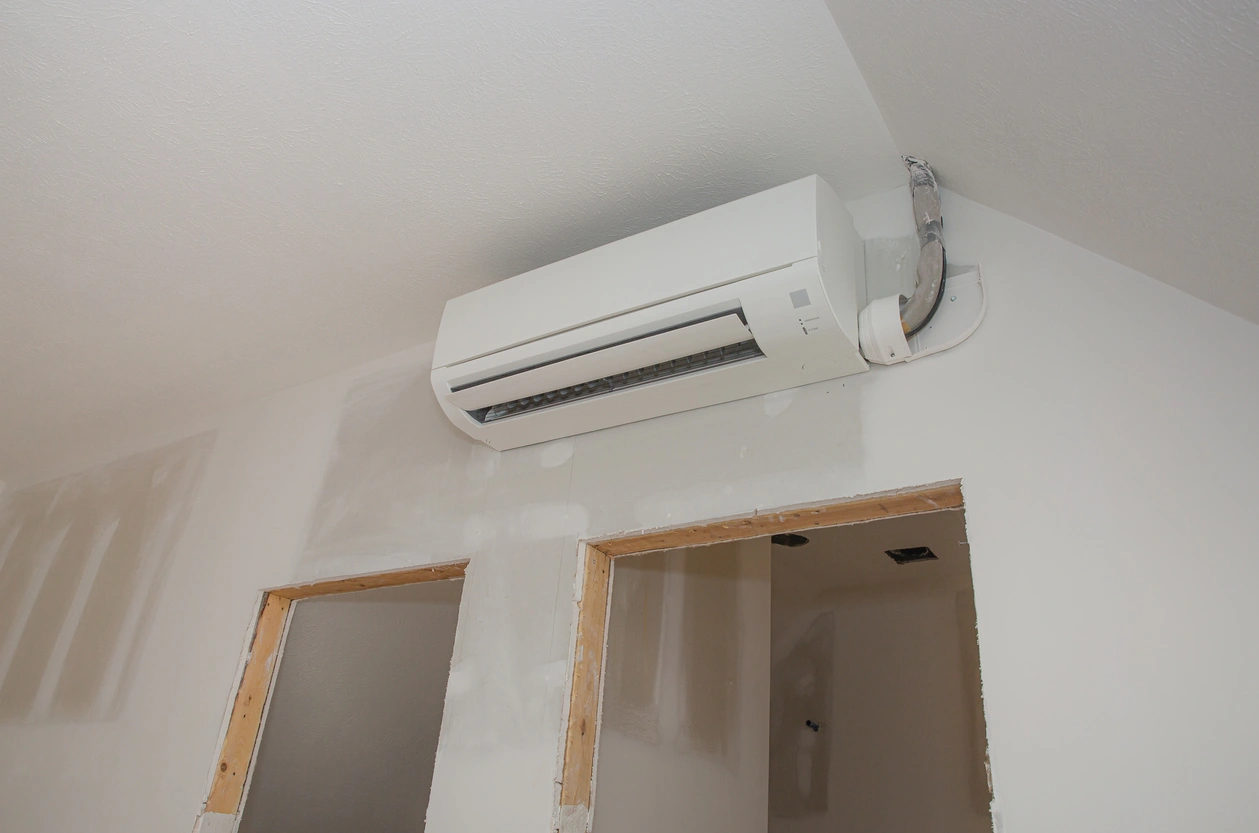
Implementing a zoning system requires technical precision and a deep understanding of airflow dynamics. It is not simply a matter of closing vents, which can actually damage your HVAC system by increasing static pressure. A professional installation ensures that airflow is managed correctly to protect your equipment while delivering comfort.
The process begins with a thorough evaluation of your current HVAC equipment and ductwork. Technicians assess the capacity of your blower motor and the layout of the ducts to determine how many zones your system can support. This stage involves mapping out zone boundaries based on solar exposure, room usage, and floor levels. For example, a south-facing room in Nevada City will have different cooling loads than a basement, requiring a distinct zone strategy.
Once the design is finalized, technicians access the main trunk lines of your ductwork. They cut into the ducts to install motorized dampers. These dampers are heavy-duty valves that modulate airflow. In some retrofit scenarios, bypass dampers are also installed to relieve excess air pressure when only one small zone is calling for air, preventing damage to the furnace or air conditioner.
A dedicated zone control panel is mounted near your furnace or air handler. This panel serves as the central hub. Technicians run low-voltage wiring from the dampers and the HVAC unit to this panel. This ensures that when a specific zone calls for heating or cooling, the panel triggers the HVAC unit and adjusts the dampers simultaneously.
New thermostats are installed in each designated zone. Unlike a single central thermostat which may read the temperature of a hallway, these sensors read the actual temperature of the rooms you occupy. Wireless options are often available to minimize cutting into walls, making the process cleaner and faster for finished homes in Grass Valley and surrounding areas.
After hardware installation, the system undergoes rigorous testing. Technicians measure static pressure and airflow velocity to ensure the system is balanced. They cycle through every zone to verify that dampers open and close fully and that the HVAC unit stages up or down correctly based on demand.
Upgrading your home with a zoning system provides tangible benefits that go beyond simple convenience. The primary advantage is energy efficiency. In a standard system, heating or cooling the entire house to make one room comfortable is inefficient. By directing air only to occupied zones, you reduce the workload on your HVAC unit. This is particularly vital given the significant seasonal variations in our service area, from freezing winters to scorching summers.
Because the system does not need to run at full capacity to treat the entire thermal envelope of the house constantly, there is less wear and tear on internal components. Zoning allows for shorter run times or lower-stage operation (if paired with multi-stage equipment), which preserves the blower motor and compressor.
Physics dictates that heat rises, often making upstairs bedrooms uncomfortably hot in the summer while basements remain freezing. Zoning directly counteracts this natural phenomenon. By placing the upstairs and downstairs on separate zones, the system pushes cold air specifically to the upper levels until the target temperature is reached, regardless of the temperature downstairs.
Different family members have different temperature preferences. Zoning allows the nursery to be kept at a stable, warmer temperature while the master bedroom can be kept cooler for sleeping. This granular control resolves conflicts and ensures every occupant is comfortable in their own space.
Modern zoning systems are compatible with smart thermostats. This allows you to control the temperature of specific zones remotely via smartphone apps. You can adjust the temperature in your Truckee vacation home before you arrive, or ensure your Auburn residence is efficiently managed while you are at work.
Homeowners often ask if they can add zoning to their existing system or if they need to wait for a full HVAC replacement. BAEHR Heating & Air assesses the viability of retrofitting based on the age and type of your current equipment.
If your current furnace and air conditioner are in good working order and have variable speed or multi-stage capabilities, retrofitting is a viable option. Variable speed blowers are ideal for zoning because they can ramp down airflow when only one zone is calling for air. If you have a single-stage motor, retrofitting is still possible but may require the installation of a bypass duct or a barometric relief damper to manage excess air pressure.
If your HVAC unit is over 15 years old, or if the ductwork is severely compromised, it is often more cost-effective to install zoning as part of a total system replacement. Modern HVAC units are designed with zoning in mind, featuring communicating technology that allows the thermostat, control board, and unit to synchronize perfectly for maximum efficiency.
Zoning relies entirely on the integrity of your ducts. If the existing ducts are leaky, undersized, or disconnected, installing dampers will not solve your comfort problems. In such cases, duct sealing or modification is a prerequisite to installing a zoning system.
Installing a zoning system involves changes to the electrical and structural components of your HVAC system, which brings building codes and permits into play. California’s Title 24 energy standards are among the strictest in the nation. These standards encourage, and in some cases require, zoning for larger homes to ensure energy efficiency.
Modifying ductwork and adding electrical controls typically requires a mechanical permit. Whether you are in Loomis, Lincoln, or Nevada City, local building departments enforce codes to ensure safety and efficiency. Professional contractors handle the permit acquisition and ensure the work passes final inspection.
Because zoning reduces energy consumption, it often qualifies for rebates from local utility providers. By upgrading to a more efficient distribution system, you may be eligible for financial incentives that offset the initial installation cost.
For residents in higher elevations like Truckee, zoning is critical for heating efficiency during winter. The stark temperature difference between a sun-drenched living room and a shaded bedroom can be extreme. Zoning systems in these areas must be calibrated to handle rapid temperature drops and heavy heating loads without short-cycling the furnace.
In the lower elevations like Auburn and Lincoln, the focus shifts to cooling efficiency. Zoning prevents the air conditioner from over-cooling the ground floor in an attempt to push cold air to the second story. This saves significant energy during peak summer usage hours when electricity rates are highest.
Selecting the right contractor is the most critical step in the zoning process. Improperly designed zoning systems can cause increased noise, equipment overheating, and frozen evaporator coils. It requires a specific skill set to calculate air pressure and design a bypass strategy that protects the equipment.
We utilize advanced diagnostic tools to measure static pressure and airflow. This ensures that when a zone damper closes, the remaining open zones do not become noisy or turbulent. Our technicians are trained in the specific airflow requirements of major HVAC brands.
DIY or unlicensed zoning installation typically voids the manufacturer's warranty on your furnace and air conditioner. Professional installation ensures that your equipment warranty remains intact — join our maintenance plan for continued protection. Furthermore, labor warranties cover the installation of the dampers and control panels, providing peace of mind.
We do not offer "cookie-cutter" solutions. Every home has a unique thermal footprint. We analyze insulation levels, window placement, and room usage before recommending a zone layout. This ensures that the system we install solves the specific comfort issues you are facing.
Understanding the specific climate challenges of the Sierra Foothills and surrounding regions is vital. We know how the microclimates in Lake Wildwood differ from the conditions in Nevada City, and we design our systems to handle those specific environmental stresses.
By choosing to upgrade your home with a professional zoning system, you are investing in long-term comfort and efficiency. You eliminate the daily frustration of uneven temperatures and gain total control over your indoor environment. Whether you are looking to retrofit an existing system or design a new one from the ground up, BAEHR Heating & Air is ready to deliver a solution that meets your specific needs.
Take control of your home’s comfort today—contact us now to schedule your zoning system consultation.
Get Fast HVAC Help


