Radiant floor heating in Grass Valley, CA offers silent comfort and efficiency. BAEHR Heating & Air provides expert installations. Book your install today.
Discovering Radiant Floor Heating in Grass Valley, CA
Imagine stepping onto a warm floor on a chilly morning, the heat gently rising to envelop your home in consistent comfort. This isn't a luxury reserved for spa resorts; it's a reality achievable with radiant floor heating, a highly efficient and desirable heating solution gaining popularity among homeowners in Grass Valley, CA. Unlike traditional forced-air systems that blow heated air through vents, radiant floor heating warms surfaces directly, creating a more even and comfortable environment. For those in Grass Valley seeking a superior home heating experience, understanding the benefits and specifics of radiant floor heating is the first step toward transforming your indoor comfort. BAEHR Heating & Air is dedicated to bringing this innovative comfort to properties across the region, ensuring precise installation and reliable performance. For larger properties and mixed-use spaces, you can also explore our Commercial HVAC Services in Grass Valley, CA - Reliable & Efficient to keep your entire building comfortable year-round.
The Unmatched Comfort and Efficiency of Radiant Floor Heating
Radiant floor heating offers a distinct advantage over conventional heating methods, especially in areas like Grass Valley, CA, where seasonal temperatures can vary significantly.
Energy Efficiency: Radiant systems operate by heating objects and surfaces directly, rather than just the air. This method eliminates heat loss through ducts and allows for lower thermostat settings while achieving the same level of comfort. Homeowners often report significant energy savings, as the heat is distributed more effectively and efficiently throughout the living space.
Enhanced Comfort: The warmth from a radiant floor heating system radiates upwards, warming you from your feet to your head. This creates a remarkably consistent temperature from room to room, without the hot and cold spots often associated with forced-air systems. There are no drafts, no noisy vents, just a gentle, pervasive warmth that feels natural and deeply comforting.
Improved Indoor Air Quality: Without air blowing through ducts, radiant heating does not circulate dust, allergens, or other airborne irritants throughout your home. This makes it an excellent choice for individuals with allergies or asthma, contributing to a healthier indoor environment for everyone.
Quiet Operation: One of the most appreciated benefits of radiant floor heating is its silent operation. There's no whirring of a furnace or whooshing of air through vents, ensuring a peaceful and quiet home atmosphere.
Types of Radiant Floor Heating Systems
When considering radiant floor heating for your Grass Valley residence, it's important to understand the two primary types available: hydronic and electric systems. Each has its unique characteristics and applications.
Hydronic Radiant Floor Heating: This is the most common and energy-efficient type for whole-home heating. It involves a network of flexible tubing installed beneath the floor, through which heated water circulates. A boiler or water heater warms the water, which then transfers its heat to the floor surface, radiating warmth into the room. Hydronic systems are ideal for new construction or major renovations due to the installation process but offer exceptional long-term efficiency and comfort.
Electric Radiant Floor Heating: Electric systems use electric heating cables or mats installed directly under the flooring material. These systems are typically easier and quicker to install than hydronic systems, making them an excellent choice for smaller areas like bathrooms, kitchens, or room additions. While they may be more expensive to operate for an entire home, they provide quick heat and precise control for specific zones.
The choice between hydronic and electric systems depends on factors such as the size of the area to be heated, budget considerations, and the desired level of energy efficiency. A local expert can help determine the best fit for your specific needs in Grass Valley, CA.
The Installation Process for Radiant Floor Heating
Installing a radiant floor heating system is a specialized process that requires careful planning and expert execution. While specifics vary depending on the system type and your home’s construction, here's a general overview of what you can expect:
Design and Planning: The process begins with a detailed assessment of your home and heating needs. This includes floor plans, insulation considerations, and selecting the appropriate system type. Proper design ensures optimal heat distribution and efficiency.
Subfloor Preparation: The existing subfloor must be prepared to accept the radiant system. This might involve cleaning, leveling, and sometimes adding insulation layers to direct heat upwards.
System Installation:
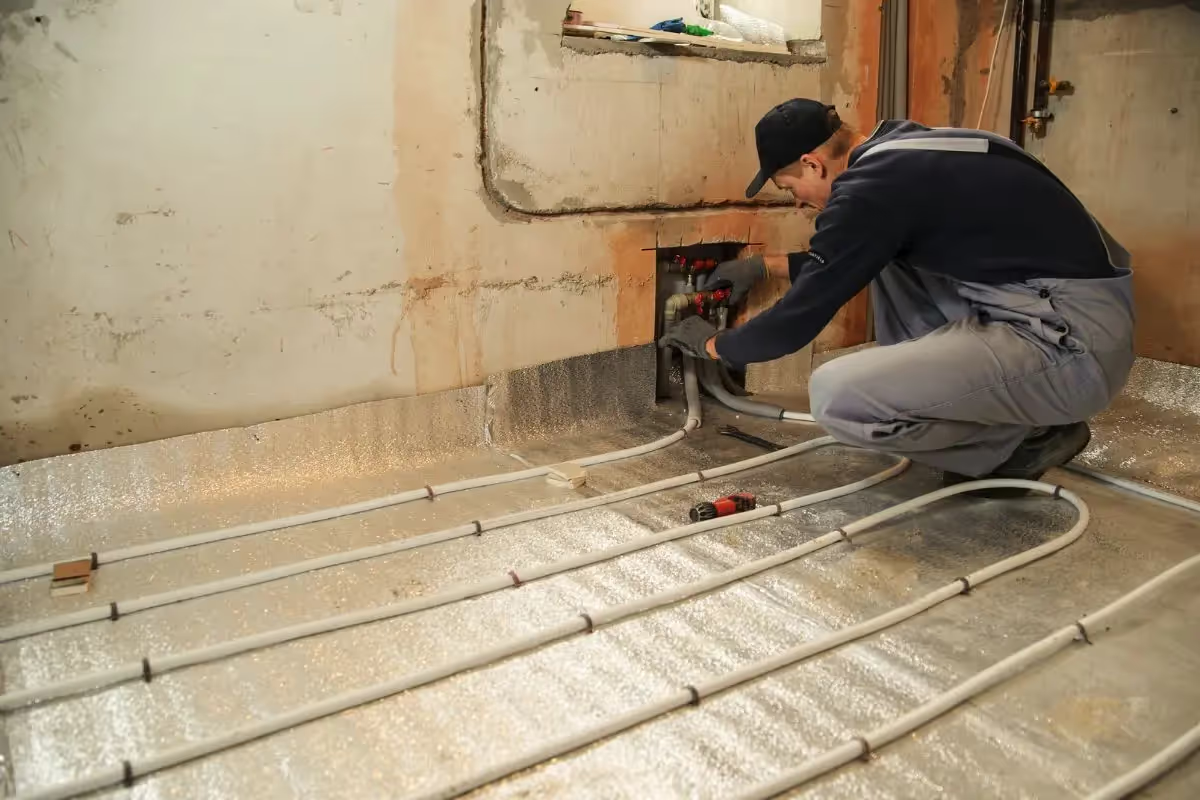
For Hydronic Systems: The flexible tubing is laid out in a precise pattern across the subfloor. This can be done in various ways, such as embedded in concrete slabs (wet installation) or placed within grooved subfloor panels (dry installation). Once the tubing is in place, it's connected to a manifold system, which distributes the heated water, and then to the boiler or water heater.
For Electric Systems: Heating mats or cables are unrolled or laid out directly onto the subfloor. These are typically self-adhesive or stapled down and then wired to a thermostat and power source.
Flooring Installation: Once the radiant heating elements are securely in place and tested, the final flooring material (tile, wood, laminate, etc.) is installed over the system. It's crucial to select flooring materials compatible with radiant heat to ensure efficient heat transfer and prevent damage.
System Testing and Calibration: After installation, the system is thoroughly tested to ensure it operates correctly, without leaks (for hydronic systems), and heats uniformly. The thermostat controls are programmed and calibrated to your preferences, optimizing performance.
Understanding the Cost Factors of Radiant Floor Heating
Investing in radiant floor heating for your Grass Valley home involves several cost considerations, though it’s essential to view it as a long-term investment in comfort and energy savings.
Initial Installation Cost: This is influenced by the type of system (hydronic generally costs more upfront than electric for whole-home applications), the size of the heated area, the complexity of the installation (e.g., new construction versus retrofit), and the chosen flooring material. Hydronic systems require more components like boilers, pumps, and manifolds, contributing to a higher initial outlay.
Operating Costs: While initial costs might be higher, radiant floor heating can offer significant long-term savings on utility bills due to its superior energy efficiency. Hydronic systems, in particular, are very efficient for whole-home heating, especially when paired with modern high-efficiency boilers. Electric systems offer quick heat for smaller zones but might have higher operating costs for large areas compared to hydronic.
Maintenance Costs: Radiant floor heating systems are known for their durability and low maintenance requirements. Hydronic systems may require periodic boiler servicing and occasional flushing, similar to other plumbing systems. Electric systems are virtually maintenance-free once installed. The longevity of these systems means fewer repair expenses over their lifespan compared to more complex HVAC setups.
Maintenance and Troubleshooting for Lasting Performance
Radiant floor heating systems are designed for durability and require minimal maintenance, ensuring consistent warmth for years to come in your Grass Valley, CA home.
Routine Maintenance:
Hydronic Systems: It's advisable to have the boiler or water heater serviced annually by a qualified technician to ensure optimal performance and efficiency. This includes checking pressure, flow rates, and overall system integrity.
Electric Systems: Generally, electric radiant systems are maintenance-free. Ensure thermostats are clean and functioning correctly.
Common Issues and Solutions:
Uneven Heating: This could be due to air in a hydronic system (requiring bleeding), an improperly balanced manifold, or thermostat issues. Professional adjustment is often needed.
No Heat: For hydronic systems, check the boiler's power supply and water pressure. For electric systems, verify power to the thermostat and heating mats. A professional can diagnose electrical faults or boiler malfunctions.
Thermostat Malfunctions: Ensure the thermostat is properly programmed and calibrated. Sometimes a simple reset can resolve minor issues.
For any complex troubleshooting or repairs, relying on experienced professionals is crucial to protect your investment and ensure the safe and efficient operation of your radiant floor heating system.
Your Trusted Partner for Radiant Floor Heating in Grass Valley, CA
Choosing the right partner for your radiant floor heating needs is essential for ensuring comfort and efficiency in your Grass Valley, CA home. BAEHR Heating & Air brings extensive experience and expertise to every project, understanding the specific climate and housing needs of the area. We are committed to delivering top-tier installation, maintenance, and repair services for both hydronic and electric radiant systems. Our goal is to provide a seamless process, from initial consultation and design to precise installation and reliable ongoing support, ensuring your home enjoys the consistent, luxurious warmth only radiant floor heating can provide.
Contact BAEHR Heating & Air today to schedule a consultation and take the next step toward a warmer, more comfortable home.
Get Fast HVAC Help
Thank you! Your submission has been received!
Oops! Something went wrong while submitting the form.