Installing a new furnace is a significant home improvement that directly impacts your comfort, energy efficiency, and safety. When your existing heating system falters, becomes inefficient, or reaches the end of its lifespan, investing in a professional furnace installation is crucial. At BAEHR Heating & Air, we understand the complexities involved in selecting and installing a new furnace, ensuring that every homeowner receives a heating solution perfectly tailored to their unique needs and home environment.
The decision to replace a furnace often comes with many questions, from understanding the different types of systems available to navigating the installation process itself. While the idea of a DIY approach might seem appealing to some, especially when considering initial costs, the intricate nature of furnace installation, particularly with gas and electrical connections, makes professional expertise indispensable. A correctly installed furnace provides reliable heat, operates more efficiently, and ensures the safety of your household. Conversely, a poorly installed unit can lead to inefficiencies, recurring breakdowns, and serious safety hazards, including carbon monoxide leaks or electrical fires. BAEHR Heating & Air prioritizes precision, safety, and long-term performance in every installation we undertake.
What to Consider Before Your New Furnace Installation
Before any installation begins, a thorough assessment of your home's heating requirements is essential. This isn't just about replacing an old unit with a new one; it's about optimizing your entire heating system for maximum comfort and efficiency:
System Sizing: One of the most critical steps is accurately sizing your new furnace. An oversized furnace will cycle too frequently, wasting energy and leading to inconsistent temperatures, while an undersized unit will struggle to heat your home adequately, running constantly and incurring higher energy bills. Our technicians perform detailed load calculations, considering factors such as your home's square footage, ceiling heights, insulation levels, window types, and local climate to determine the ideal British Thermal Unit (BTU) output for your new furnace.
Fuel Options: Furnaces typically operate on natural gas, propane, or electricity. Your choice of fuel depends on availability, local utility costs, and your personal preferences. Natural gas furnaces are often a popular choice where gas lines are present due to their cost-effectiveness and efficiency. Propane furnaces offer a viable alternative in areas without natural gas access, while electric furnaces are an option for homes without gas lines or specific efficiency requirements. BAEHR Heating & Air can guide you through the pros and cons of each fuel type.
Energy Efficiency (AFUE Rating): The Annual Fuel Utilization Efficiency (AFUE) rating indicates how efficiently a furnace converts fuel into usable heat. A higher AFUE percentage means greater efficiency and lower energy bills. Modern furnaces boast significantly higher AFUE ratings than older models. We discuss various efficiency levels and recommend units that balance initial investment with long-term operational savings.
Venting Requirements: Proper venting is critical for safe furnace operation. Combustion byproducts, including carbon monoxide, must be safely expelled from your home. Depending on the furnace type (e.g., conventional vs. high-efficiency condensing furnaces), venting requirements differ. High-efficiency units often use PVC piping and require condensate drainage, while older models typically use metal flues. Our experts ensure all venting meets current safety codes and manufacturer specifications.
The Professional Furnace Installation Process
When you choose BAEHR Heating & Air for your furnace installation, you're opting for a meticulous and professional service designed to minimize disruption and maximize your long-term comfort. Our detailed installation process ensures every step is handled with precision and care:
Initial Assessment and Consultation: Our certified technicians begin with a comprehensive on-site evaluation of your current heating system and home. We discuss your heating needs, budget, and any specific concerns you may have. Based on this, we recommend the best furnace options tailored for your residence.
Removal of Old Unit: The first physical step is the safe disconnection and removal of your old furnace. This involves carefully shutting off fuel lines, electrical power, and dismantling the existing ductwork and venting. We ensure proper disposal of the old unit, adhering to environmental regulations.
Preparation of the Installation Site: The area where the new furnace will be placed is prepared, ensuring a level surface and adequate space for airflow and future maintenance. Any necessary adjustments to the existing ductwork or utility lines are made at this stage.
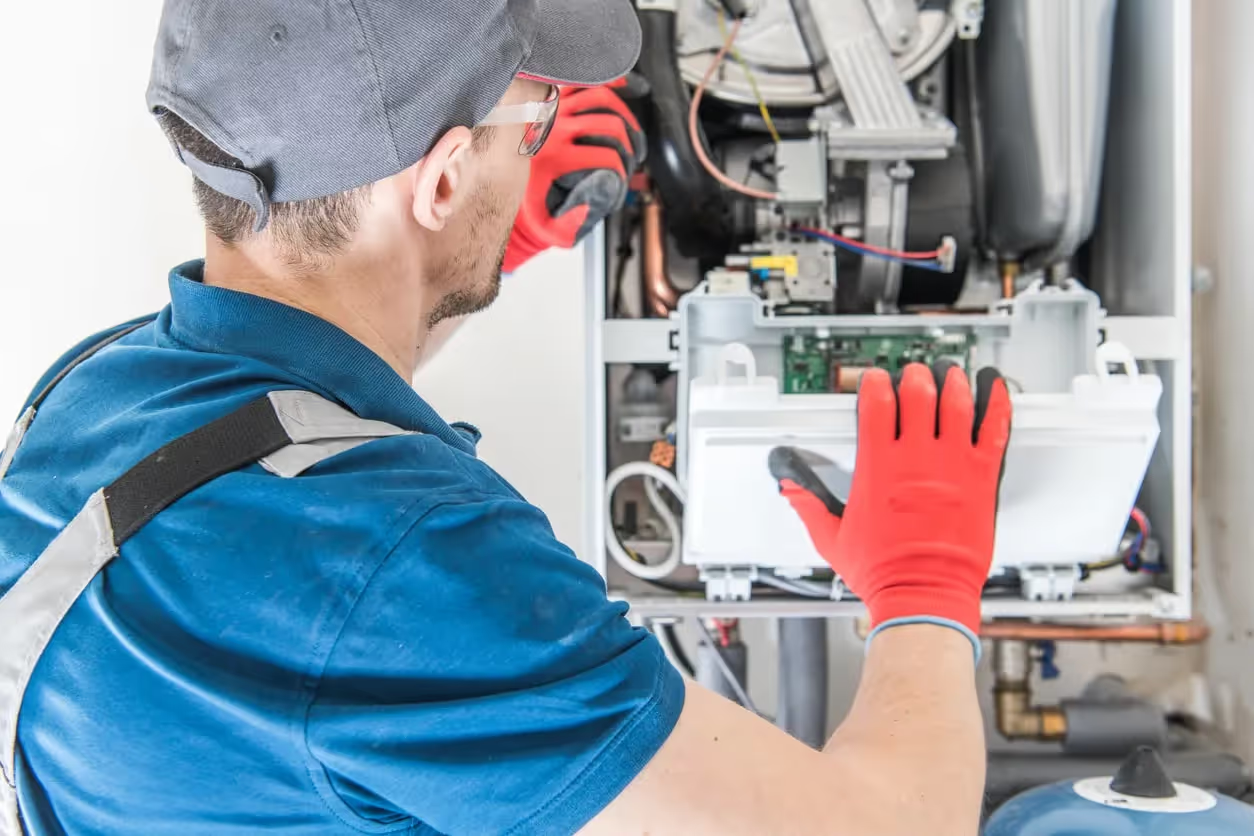
New Furnace Placement and Connection: The new furnace is carefully positioned. Our technicians then meticulously connect it to your home's ductwork, ensuring airtight seals for optimal airflow. Gas lines are connected using approved materials and tested for leaks, and electrical wiring is safely run and connected according to code.
Venting System Installation/Modification: The appropriate venting system for your new furnace is installed or modified. For high-efficiency units, this includes setting up the PVC exhaust and intake pipes and ensuring proper condensate drainage. All venting is securely fastened and sloped correctly to prevent issues.
Thermostat Installation and Calibration: A new, compatible thermostat is installed, often a smart thermostat, which can offer greater control and energy savings. The thermostat is then calibrated to work seamlessly with your new furnace.
System Testing and Safety Checks: Once installed, the furnace undergoes a rigorous series of tests. We check for proper ignition, burner operation, fan function, temperature rise, and ensure all safety controls are working correctly. Gas lines are re-checked for leaks, and carbon monoxide detectors are tested. Airflow is measured and adjusted to ensure consistent heating throughout your home.
Client Walkthrough: Before concluding, our technician will walk you through the basic operation of your new furnace and thermostat, explaining key features, maintenance recommendations, and answering any questions you may have.
Post-Installation Care and Maintenance
After your new furnace installation, proper care and regular maintenance are vital to ensure its longevity and continued efficiency. We provide initial setup guidance and recommend scheduling annual professional maintenance. This includes checking filters, inspecting electrical components, cleaning burners, and verifying gas pressure, all of which contribute to your system running optimally and safely for years to come.
Choose Professional Comfort with BAEHR Heating & Air
Entrusting your furnace installation to BAEHR Heating & Air means choosing a partner committed to your home's comfort and safety. Our expertise ensures that your new heating system is installed correctly, efficiently, and safely, providing reliable warmth for many years. We are dedicated to delivering top-tier service and lasting heating solutions.
When it's time for a new furnace installation, let the professionals handle it. Reach out to BAEHR Heating & Air today to schedule a comprehensive consultation and discover the ideal heating solution for your home.
Frequently Asked Questions About Furnace Installation
Q: How long does a furnace installation typically take?
A: Most standard furnace installations can be completed within one day. However, more complex installations, such as those requiring extensive ductwork modifications or fuel type conversions, may take longer. Our team will provide a clear timeline during your initial consultation.
Q: What is the lifespan of a new furnace?
A: With proper maintenance, a new furnace can typically last between 15 to 20 years. High-quality installations and regular servicing by professionals like BAEHR Heating & Air significantly contribute to maximizing its lifespan.
Q: Will a new furnace lower my energy bills?
A: Yes, in most cases, a new, high-efficiency furnace will significantly lower your energy bills compared to an older, less efficient model. Modern furnaces are designed to convert more fuel into usable heat, reducing wasted energy.
Q: Is professional installation really necessary, or can I install a furnace myself?
A: Professional installation is highly recommended and, in many areas, legally required due to the inherent dangers of working with gas lines, electrical components, and complex venting systems. Improper installation can lead to inefficient operation, premature system failure, and severe safety risks like carbon monoxide poisoning or fires.
Q: What kind of warranty comes with a new furnace?
A: Most new furnaces come with manufacturer warranties covering parts for a specified period, typically 10 years. BAEHR Heating & Air also stands behind our workmanship with a separate labor warranty, providing you with complete peace of mind.
Get Fast HVAC Help
Thank you! Your submission has been received!
Oops! Something went wrong while submitting the form.