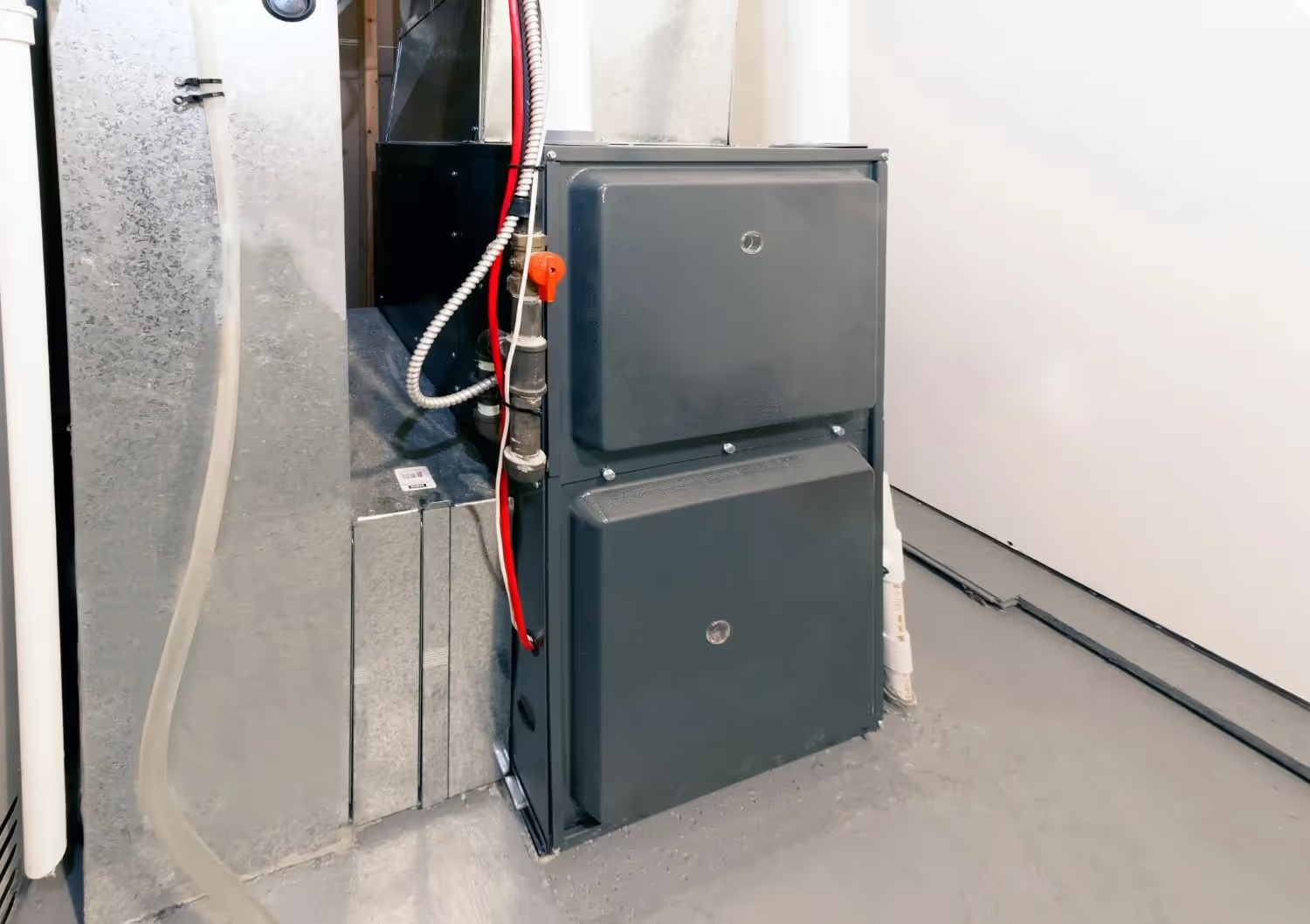
Trust BAEHR Heating & Air for expert furnace installation in Lake Wildwood, CA. Get the ultimate warmth you deserve. Schedule your professional install now.
A reliable and efficient furnace is the cornerstone of a comfortable home, especially during colder months. When your existing heating system falters beyond repair, or if you're looking to upgrade to a more energy-efficient model, professional furnace installation becomes a critical investment. At BAEHR Heating & Air, we understand the intricate process involved in selecting and installing the right furnace for your home, ensuring optimal performance, safety, and long-term savings. Our comprehensive service covers every detail, from initial sizing calculations and ductwork adjustments to meticulous system testing, guaranteeing a seamless transition to superior heating.
Choosing the right type of furnace is crucial for your home's specific needs, budget, and access to fuel sources. Each type offers distinct advantages:
Gas Furnaces: These are the most common type, known for their powerful heating capacity and relatively low operating costs due to natural gas being a more affordable fuel. Gas furnaces utilize a heat exchanger to warm the air, which is then distributed through your home's ductwork. They are highly efficient and offer consistent warmth.
Cons: Requires a natural gas line, potential for carbon monoxide leaks if not properly maintained.
Electric Furnaces: Ideal for homes without access to natural gas lines, electric furnaces generate heat using electric resistance coils. They are generally simpler to install and maintain, and they do not produce combustion by-products, making them a clean heating option.
Pros: No combustion gases, quiet operation, generally lower upfront cost for the unit, easy installation where gas isn't available.
Cons: Higher operating costs in areas with expensive electricity, can be slower to heat larger spaces compared to gas.
Oil Furnaces: While less common than gas or electric, oil furnaces are a viable option in regions where natural gas isn't readily available and electricity rates are high. They burn heating oil to produce warmth. Modern oil furnaces are significantly more efficient and cleaner than older models.
Pros: Powerful heating, good option where other fuels are inaccessible.
Cons: Requires a storage tank for oil, fuel delivery scheduling, generally higher operating costs than gas, produces some emissions.
Our experts can help you evaluate which furnace type best suits your home's infrastructure and heating demands.
The Professional Furnace Installation Process
A furnace installation is a complex task that requires precision, expertise, and adherence to strict safety standards. Our detailed step-by-step process ensures a flawless installation from start to finish:
Pre-installation Assessment: The process begins with a thorough evaluation of your home's heating requirements. Our technicians will assess factors such as the square footage, insulation levels, window efficiency, and existing ductwork. This crucial step allows us to perform accurate sizing calculations, ensuring the new furnace is neither too large (leading to short cycling and inefficiency) nor too small (resulting in inadequate heating). We will also inspect the current system and its components, identifying any potential challenges or necessary upgrades.
Removal of the Old Unit: Once the assessment is complete, we safely disconnect and remove your old furnace, adhering to all environmental regulations for disposal. This includes carefully detaching gas lines, electrical connections, and ductwork.
Site Preparation: The installation area is prepared to accommodate the new unit. This may involve minor adjustments to the pad or platform, ensuring it's level and stable. We also check the integrity of existing ductwork, recommending repairs or modifications if necessary to optimize airflow and efficiency.
New Furnace Installation: The new furnace is carefully positioned and connected. This involves:
Ductwork Connection: Ensuring a tight, leak-free seal between the furnace and your home's existing duct system for efficient air distribution.
Ventilation System Setup: Installing or connecting the flue pipe and ensuring proper venting to safely exhaust combustion gases (for gas and oil furnaces) to the outside. This is critical for preventing carbon monoxide buildup.
Fuel Line and Electrical Connections: Expertly connecting the gas line or electrical wiring according to manufacturer specifications and local codes. For oil furnaces, the oil line connection to the storage tank is meticulously handled.
Safety and Compliance Checks: After physical installation, our technicians perform extensive safety checks. This includes leak tests for gas lines, carbon monoxide detection, verification of proper venting, and electrical safety inspections. We ensure that every aspect of the installation complies with local building codes and industry safety standards, providing you with peace of mind.
System Testing and Calibration: The final stage involves powering up the new furnace and conducting a series of tests to verify optimal operation. We calibrate the thermostat, check airflow, measure temperature rise, and confirm that all components are working harmoniously. This ensures the furnace delivers consistent, efficient heat throughout your home. We'll also walk you through the basic operation of your new system and answer any questions you may have.
Factors Influencing Installation Costs
The cost of furnace installation can vary significantly based on several key factors:
Type and Size of Furnace: Gas furnaces are generally more expensive to install than electric due to gas line work, but their operating costs are often lower. Larger homes require furnaces with higher BTU output, which are typically more expensive.
Brand and Model Features: Premium brands or models with advanced features like variable-speed blowers or multi-stage heating can increase the upfront cost.
Ductwork Modifications: If your existing ductwork is old, damaged, or incompatible with the new furnace, repairs or replacements will add to the overall expense.
Installation Complexity: Removing an old system, relocating the furnace, or extensive modifications to fuel lines or electrical wiring can increase labor costs.
Permits and Inspections: Local regulations often require permits for furnace installation, and these costs are typically included in the overall service.
While the upfront investment can seem substantial, upgrading to a new, energy-efficient furnace often leads to significant savings on utility bills over its lifespan.
The Importance of Professional Installation
Entrusting your furnace installation to certified professionals is paramount for several reasons:
Safety: Incorrect installation can lead to dangerous situations, including carbon monoxide leaks, gas leaks, or electrical hazards. Professionals ensure all connections are secure and systems are properly vented.
Efficiency: A properly sized and installed furnace operates at its peak efficiency, maximizing heating output while minimizing energy consumption. This translates to lower monthly utility bills.
Longevity: Correct installation reduces wear and tear on components, extending the lifespan of your furnace and protecting your investment.
Warranty Validation: Most furnace manufacturers require professional installation for the warranty to remain valid. DIY installation can void your warranty, leaving you responsible for costly repairs.
Code Compliance: Licensed installers are knowledgeable about local building codes and regulations, ensuring your new furnace meets all legal requirements.
Post-Installation Maintenance Tips
To ensure your new furnace continues to operate efficiently and reliably for years to come, consider these maintenance tips:
Change Air Filters Regularly: Check your furnace filter monthly and replace it every 1-3 months, depending on usage and household conditions. A clean filter improves air quality and maintains airflow efficiency.
Schedule Annual Professional Tune-Ups: Even with a new system, yearly maintenance by a qualified technician can identify potential issues early, clean components, and ensure the furnace is running at optimal efficiency.
Keep Vents Clear: Ensure all supply and return air vents in your home are unobstructed by furniture or drapes to allow for proper airflow.
Choose BAEHR Heating & Air for Your Furnace Installation Needs
Investing in a new furnace is a significant decision that impacts your home's comfort, safety, and energy costs for years to come. With BAEHR Heating & Air, you gain a partner dedicated to providing expert furnace installation services tailored to your unique needs. Our commitment to precision, safety, and customer satisfaction ensures that your new heating system will deliver reliable warmth and efficiency season after season.
Ready to experience unparalleled comfort and efficiency? Schedule a consultation with BAEHR Heating & Air today to discuss your furnace installation project and receive a personalized solution.
Get Fast HVAC Help
Thank you! Your submission has been received!
Oops! Something went wrong while submitting the form.