

Experience Comfort with Radiant Floor Heating
Transform your home with trustworthy radiant floor heating options. Experience comfort, efficiency, and expert solutions tailored to your unique space today.
Experience Comfort with Radiant Floor Heating: Your Guide to Energy Efficient Underfloor Heating Systems

At BAEHR Heating and Air, we believe radiant floor heating is transforming how you experience comfort at home and work — providing warm, even heat that starts right under your feet. This guide explains how our radiant systems work, the benefits they bring, and what you can expect during installation. If you’re tired of cold spots and rising energy bills, our radiant floor heating solutions can be the practical upgrade you need. We’ll compare hydronic and electric options, explain why warm-floor systems feel so comfortable, and share simple maintenance tips to keep your system running smoothly. You’ll also find information about financing options to help you plan your upgrade.
Many of our clients choose radiant systems for specific rooms — bathrooms, kitchens, and living areas — because the comfort is immediate underfoot. Radiant heating integrates seamlessly with tile, concrete, engineered wood, and some resilient floor coverings; our installers review compatibility with your chosen finish to ensure efficient heat transfer and maintain flooring warranties.
What Is Radiant Floor Heating and How Does It Work?
Radiant floor heating warms a room by sending heat up from the floor surface rather than blowing warm air. We offer two common approaches: hydronic and electric. Hydronic systems circulate warm water through tubing beneath the floor, while electric systems use cables or mats to generate heat. The result is steady, even warmth that eliminates cold spots common with conventional heaters. Because these systems operate at lower temperatures, they can also reduce energy consumption — a strong advantage for both homes and businesses.
At a basic level, our radiant systems use conduction and radiation to transfer heat from the floor into the room. Warm surfaces provide comfortable skin-level temperatures, so you can often set thermostats a bit lower than with forced-air systems and still feel cozy. That lower setpoint is one reason radiant heating can be more efficient in many installations.
Understanding Hydronic and Electric Radiant Heating Methods
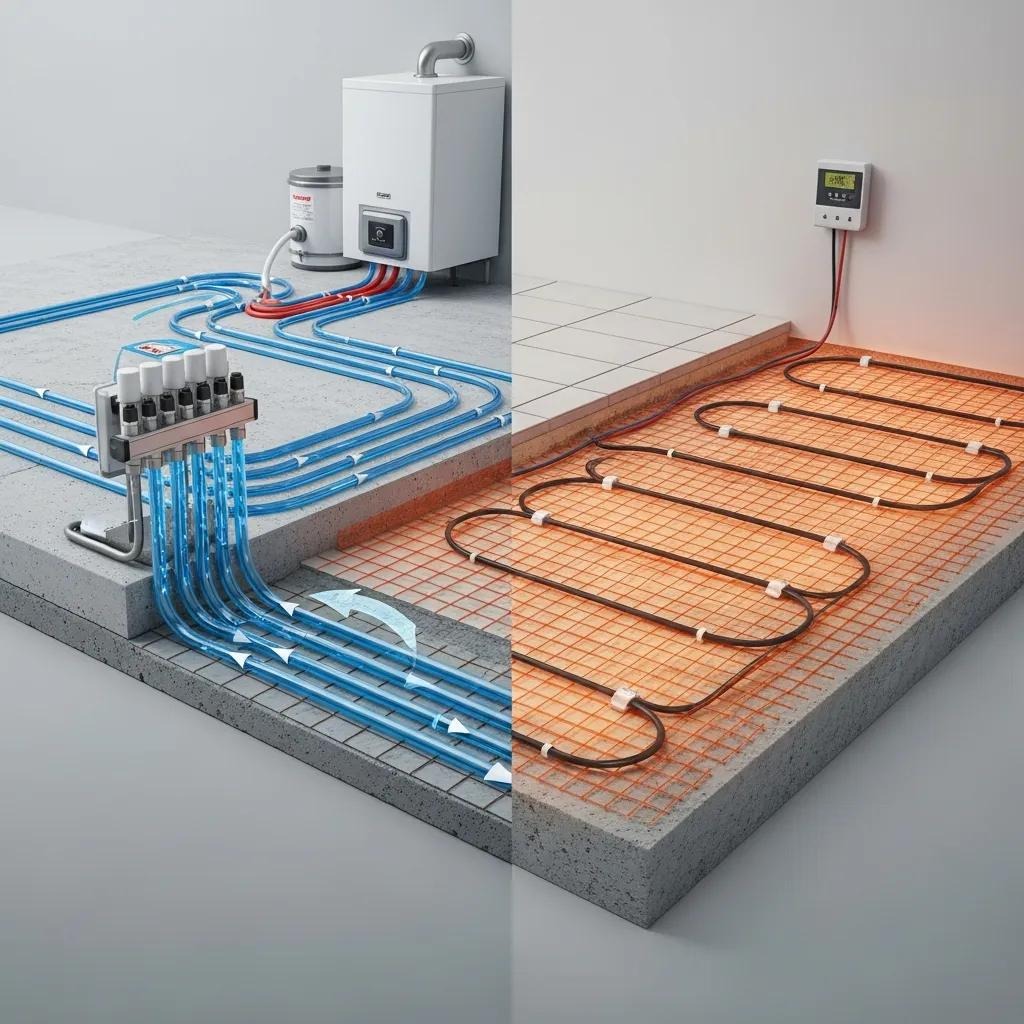
Our hydronic systems circulate heated water through a network of pipes under the floor — water holds heat well, so these systems often run efficiently at lower temperatures. Electric systems use heating cables or mats placed beneath flooring; they’re typically quicker to install and a common choice for retrofits. Each approach has benefits, and the best choice depends on your space, budget, and long-term energy goals.
Hydronic installations include key components beyond tubing: a heat source (boiler or water heater), a manifold to distribute water to zones, circulator pumps, and controls. Electric systems simplify that list but require careful attention to electrical connections and proper floor-covering selection. During planning, our installers evaluate access to mechanical space, electrical capacity, and zoning to ensure optimal layout.
How Radiant Floor Heating Reduces Energy Consumption
A major benefit of radiant floor heating is lower energy use. Because heat is delivered from the floor, these systems operate at gentler temperatures than forced-air setups. Industry experience shows energy savings typically range from moderate to significant compared with conventional heating, though actual savings depend on building size, insulation, and usage patterns. Lower energy use means smaller bills and a reduced environmental footprint — a smart choice for energy-conscious homeowners.
Energy savings are also influenced by system zoning, thermostat strategy, and building envelope quality. Using separate zones for bathrooms, living spaces, and bedrooms lets you heat only occupied areas. Pairing radiant floors with good insulation and smart thermostats improves efficiency further by reducing heat loss and avoiding unnecessary runtime.
What Are the Benefits of Warm Floor Systems for Your Home or Business?
Warm floor systems improve comfort and efficiency in both homes and commercial spaces. They produce smooth, even warmth that fills rooms without the drafts or hot-and-cold spots you might experience with other systems. As a bonus, they can reduce airborne dust movement, which helps indoor air quality compared with some forced-air systems.
Beyond thermal comfort, radiant systems are quiet and unobtrusive — there are no visible radiators, vents, or ductwork disrupting room design. For businesses and hospitality settings, that means cleaner sightlines and more usable wall space. For homeowners, the even heat can make hardwood, tile, and stone floors feel warmer and more inviting year-round.
Energy Efficiency and Cost Savings with Radiant Heating
Radiant heating’s efficiency can translate into real savings over time. By running at lower temperatures and keeping heat evenly distributed, some systems can reduce heating costs significantly, though results vary with insulation, climate, and energy prices. Over the long run, that reduced energy use can deliver a solid return on your investment. In many areas, rebates and incentives for energy-efficient upgrades can further lower the overall cost.
When evaluating cost, consider both installation and ongoing operating expenses: hydronic systems may cost more to install but can have lower running costs in whole-house applications, while electric systems typically have lower upfront costs and are economical for single rooms or small additions. Lifecycle thinking helps set realistic expectations about payback.
Enhanced Comfort and Health Advantages of In-Floor Heating
Beyond savings, radiant floor heating brings comfort and potential health perks. Even heat eliminates chilly spots and drafts, while reducing the circulation of dust compared with forced-air systems. That steadier humidity and cleaner air can help with comfort and may ease symptoms for people sensitive to airborne dust.
For allergy-sensitive occupants, the reduced movement of particulates is a helpful secondary benefit. Similarly, radiant floors avoid the noise associated with fans and blowers, contributing to a calmer indoor environment that can be important in bedrooms, nurseries, and healthcare settings.
How Is Radiant Floor Heating Installed and What Should You Expect?
Installing radiant floor heating follows a clear process. Knowing the steps ahead of time helps you plan and sets realistic expectations for the timeline and preparation required.
Typical installation timelines vary with the system type and the scope of work. A single-room electric retrofit can often be completed in a day or two, while a whole-house hydronic installation — including mechanical work, floor adjustments, and finishing — can take several days to a few weeks. Our installers provide a schedule and outline any temporary disruptions to space use.
Step-by-Step Installation Process for Underfloor Heating Systems
- Assessment: We start by evaluating your space and deciding whether hydronic or electric is the best fit — considering floor type, insulation, and your heating needs.
- Preparation: The subfloor is cleaned and leveled so the system sits correctly. Proper prep is vital for performance and longevity.
- Installation: For hydronic systems, we lay the tubing; for electric systems, we position mats or cables. Careful placement ensures even warmth across the floor.
- Testing: Before the final floor goes down, we test the system to confirm everything works and to catch any issues early.
- Finalization: After testing, the chosen flooring is installed over the heating system and we complete final checks.
Following these steps helps ensure your radiant floor system performs reliably for years to come.
Comparing Installation Costs: Electric vs Hydronic Systems
| System Type | Initial Installation Cost | Long-term Operating Cost |
|---|---|---|
| Hydronic | Generally higher | Generally lower |
| Electric | Generally lower | Generally higher |
Use this comparison to weigh upfront budget against expected long-term savings when choosing a system. Also consider floor height changes and transition details between rooms: adding an in-floor system can raise finished floor heights slightly, which may require trim or doorway adjustments. Good planning minimizes visible transitions and preserves door clearances.
How Can You Maintain and Troubleshoot Your Radiant Floor Heating System?
Regular maintenance keeps radiant floor systems reliable and efficient. A few routine checks will help prevent problems and extend the life of your system.
Essential Maintenance Plans to Maximize System Longevity
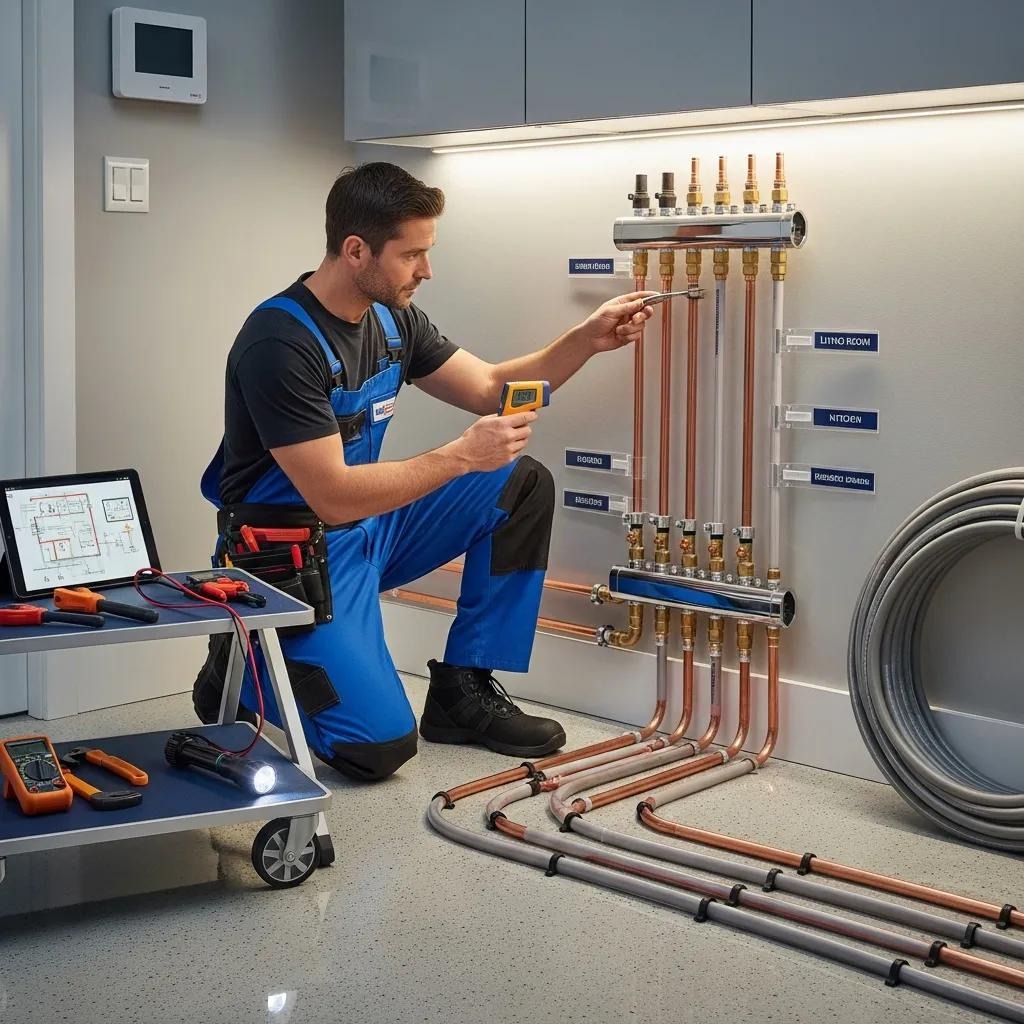
- Regular Inspections: Schedule yearly checks to look for leaks in hydronic systems and confirm overall system health. Catching issues early avoids costly repairs.
- Cleaning: Keep the area clear of debris and check that components are free from obstructions to preserve efficient heat transfer.
- Thermostat Calibration: Make sure thermostats are set and calibrated correctly so the system runs efficiently and keeps your home comfortable.
For hydronic systems, routine professional service may include inspecting pumps, valves, and manifold connections, and ensuring controls are operating correctly. Electric systems benefit from periodic electrical checks and confirmation that floor sensors and thermostats respond as expected.
If your system includes a circulating pump or boiler, following the manufacturer’s service intervals and using a qualified technician for annual checks will help maintain efficiency and avoid unexpected downtime.
Sticking to these simple maintenance steps can add years of trouble-free use to your system.
Common Issues and Troubleshooting Tips for Radiant Heating
If you run into problems, many common issues have straightforward fixes. Here are a few tips to get you started:
- Uneven Heating: Look for air pockets in hydronic loops, or check that electric mats are correctly connected and intact. Poor insulation can also cause cold spots.
- No Heat: Confirm the thermostat settings and power. For hydronic systems, check the boiler or water heater and system pressure.
- Leaking Water: Inspect piping for visible leaks and call a professional promptly — quick repairs prevent bigger damage.
Preventive steps such as ensuring proper insulation, avoiding heavy point loads on sensitive areas during construction, and confirming correct floor coverings help reduce issues. When in doubt, document symptoms and photos and contact our service team — clear information speeds diagnosis and repair.
Tackling these issues quickly helps maintain comfort and system efficiency.
What Financing Options Are Available for Radiant Floor Heating Installation?
Financing can make radiant floor heating more accessible by spreading the upfront cost over time. Knowing your options helps you plan the upgrade without straining your budget.
Affordable HVAC Financing Solutions for Warm Floor Systems
At BAEHR Heating and Air, we offer financing plans designed for system upgrades like radiant floor heating. These plans often include flexible terms and competitive rates, so you can install the system you want without waiting.
Common financing approaches include installment loans, payment plans arranged through us or a third party, and promotional offers that reduce initial cost impact. We can outline options and help you compare monthly payments against expected energy savings to find a comfortable plan.
How Financing Enables Energy Efficient Heating Upgrades
Financing lets you enjoy the comfort and energy savings of radiant heating right away while paying for the installation over time. That means immediate benefit to your home and gradual repayment, often offset by lower utility bills.
In addition to financing, explore local rebates, tax incentives, and utility programs that support energy-efficient upgrades. Combining incentives with financing can significantly lower net cost and shorten the payback window.
How Do Electric and Hydronic Radiant Floor Heating Systems Compare?
Choosing between electric and hydronic systems comes down to installation, cost, and how you plan to use the system. Below we summarize the main differences to help guide your decision.
Key Differences Between Electric and Hydronic Underfloor Heating
Electric systems generally install faster and are a common choice for retrofits. Hydronic systems are more involved to install but typically offer better long-term efficiency and lower operating costs.
| Feature | Electric Systems | Hydronic Systems |
|---|---|---|
| Installation Cost | Generally lower | Generally higher |
| Operating Cost | Generally higher | Generally lower |
| Ideal for Retrofitting | Yes | Sometimes (depending on project) |
Use these points alongside your budget and long-term goals to pick the right system for your home or business. For single bathrooms, laundry rooms, or small additions, electric systems often offer the best balance of speed and cost. For whole-house installations where a central heat source is already in place, hydronic systems commonly deliver better operating economics and integration with existing mechanical systems.
Choosing the Right System for Your Energy Efficiency Goals
The right choice depends on your priorities: upfront cost, installation complexity, and long-term operating savings. Consider your space layout, local energy prices, and how long you plan to stay in the property when deciding.
Discuss lifecycle costs with our installers, including maintenance expectations and potential replacement timelines for mechanical components or controls. A clear comparison helps you select a solution that meets both comfort and financial goals.
What Are the Latest Energy Efficiency Trends and Statistics for Radiant Heating?
As more homeowners focus on reducing energy use, radiant floor heating is gaining attention for its efficiency and comfort. Knowing the latest trends and numbers can help you decide whether it’s a good fit.
Recent Data on Energy Savings from Radiant Floor Heating
Industry experience shows radiant floor systems can reduce energy use significantly compared with traditional heating, depending on building characteristics and how the system is used. Those savings translate into lower bills and a smaller environmental footprint.
Sustainable and Smart Heating Solutions in California, CA and Nevada, NV
In California, CA and Nevada, NV, homeowners increasingly choose sustainable heating options, including radiant systems, as part of broader energy-efficiency efforts. Local incentives and rebates often make these upgrades more affordable and appealing.
Smart controls and integration with home automation are growing trends: programmable thermostats, zone scheduling, and remote management let owners fine-tune comfort and consumption. When combined with insulation upgrades and efficient water heating, radiant systems are often central to a broader home-efficiency plan.
How Does Local Expertise Enhance Your Radiant Floor Heating Experience?
Working with local professionals makes a difference. Our technicians know the regional climate, building codes, and common installation challenges, allowing us to tailor a solution that performs well year-round.
BAEHR Heating and Air’s Personalized Service in Grass Valley, CA and Surrounding Areas
At BAEHR Heating and Air, we specialize in HVAC solutions for homeowners and businesses in Grass Valley, CA, Nevada City, CA, Auburn, CA, and nearby communities. We install and service radiant floor systems and other advanced heating technologies, focusing on personalized solutions that meet each customer’s needs.
Our local teams assist with permits, code compliance, and sourcing appropriate materials for the climate and building type. That regional knowledge reduces surprises during installation and helps ensure the system performs reliably through seasonal temperature swings.
Customer Testimonials and Case Studies Demonstrating Success
Our customers frequently tell us they notice better comfort and lower energy bills after installing radiant heating. Those success stories reflect careful design, quality installation, and attentive service — the results we strive for on every job.
To see how we can help you, request an estimate today. We also offer HVAC maintenance plans to keep your system running smoothly. If you're considering a new furnace, we provide furnace replacement financing options and furnace installation services. Don't forget to check out our HVAC promotions for current savings and offers.
Ready to Upgrade Your Comfort with Radiant Floor Heating?
Contact BAEHR Heating and Air today to explore how radiant floor heating can transform your home or business with energy-efficient, consistent warmth. Our expert team is here to guide you through every step — from system selection and financing to professional installation and maintenance. Request Your Estimate Now.
Ready to breathe easy?
Schedule service or request a free estimate. Honest assessments and upfront pricing on every visit across Nevada County.